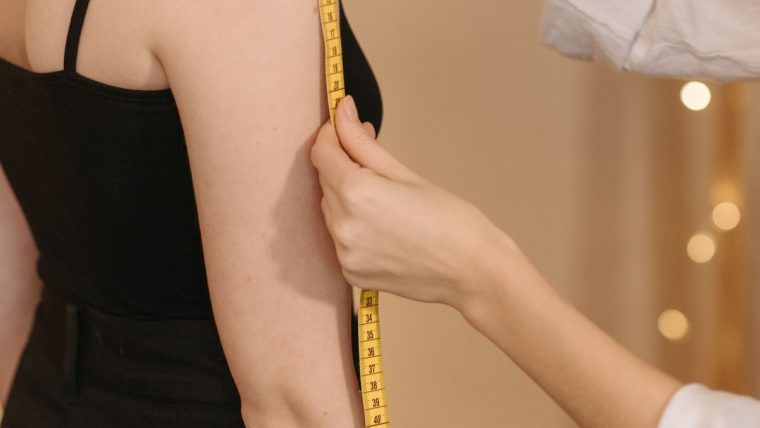

A familiar letter on a label can be misleading when you shop online. A medium in one SHEIN listing may not match a medium in another because different items can use different patterns, fabrics, and suppliers. The safer approach is to treat each product page as a separate sizing decision. Start with measurements, then use the garment’s cut, material, fit notes, and customer evidence to refine your choice.
Start with the chart for the exact item
Do not rely on a general size conversion found in search results or assume your usual US size will transfer. Open the size guide attached to the exact color and style you are considering. Check whether changing the selected size, color, or region changes any listed details. A chart tied to the product is more useful than a broad brand-level chart, but it still needs interpretation.
Read the column labels carefully. Charts may show inches or centimeters, and confusing the two will create an obvious mismatch. They may also distinguish between body measurements and product measurements. Body measurements describe the person a size is intended to fit. Product measurements describe the finished garment. Those numbers should not be expected to match because most clothes need ease—the space that lets you move, sit, and breathe.
Identify the measurements that control the fit
Not every measurement matters equally for every garment. For a fitted woven blouse, bust and shoulder width may control the choice. For high-rise jeans, compare waist, hip, rise, and inseam. For a jacket, consider shoulder width, chest room, sleeve length, and whether you plan to wear a sweater underneath. For a loose dress, bust or shoulder fit may matter more than waist measurement.
- Tops: bust or chest, shoulder, sleeve, and garment length.
- Bottoms: waist, hip, rise, inseam, and thigh when available.
- Dresses: bust, waist, hip, shoulder, and total length.
- Outerwear: chest, shoulder, sleeve, length, and layering room.
If your measurements point to different sizes, fit the largest relevant area first when the fabric has little stretch. A tailor can sometimes take in an uncomplicated waist, but a garment that is too narrow through the shoulders or hips is harder to fix. The design matters, so this is a decision rule rather than a guarantee.
Compare a similar garment you already own
Your body measurements are essential, but a well-fitting garment from your closet adds context. Lay it flat without stretching it. Measure from armpit to armpit for half-chest, across the waistband for half-waist, and from the crotch seam to hem for inseam. Double flat width measurements when comparing them with a full circumference, unless the chart explicitly uses a flat measurement.
Match like with like. Compare a fitted knit top with another fitted knit top, not an oversized sweatshirt. Compare jeans with similar rise and fabric composition. This method helps you judge intended ease and length, two qualities that body measurements alone do not fully explain.
Account for stretch and silhouette
Fabric composition changes how much tolerance you have. A ribbed knit with elastane may accommodate a range of measurements, while a non-stretch woven fabric requires more precise room. Look for the material list and any stretch description on the current product page. Do not assume that every knit is stretchy or every pair of jeans will relax with wear.
Then read the silhouette. Words such as slim, fitted, regular, loose, oversized, cropped, and drop shoulder describe the designer’s intent. An oversized item may already include substantial ease, so sizing up can change the look dramatically. A cropped piece may fit around the body yet still feel too short for your preference. Check garment length against where you want the hem to land.
Use fit tools and reviews as supporting evidence
If the official page offers a size recommendation tool, treat it as one input rather than a substitute for the chart. Enter accurate information and check what the recommendation is based on. Interface features and methods may change, so verify how the tool currently works in the official site or app.
In reviews, prioritize shoppers who provide measurements, selected size, and a description of how the item fits. Customer photos can reveal sleeve length, opacity, drape, and where a hem lands. Look for patterns across several detailed reviews instead of letting one extreme experience decide for you. A reviewer’s height alone is not enough; proportions and fit preferences differ.
Resolve an in-between-size decision
When you fall between sizes, ask what would make the garment unwearable. If tight hips would prevent you from sitting comfortably in non-stretch pants, choose for the hip. If a stretchy camisole needs a close fit but straps are adjustable, the smaller option may better match the intended look. If you want to layer, allow room for the layer.
Also consider tolerance for alteration and return inconvenience. Before buying, review the current item details and the official terms that apply to your location and order. Do not assume eligibility, timing, or cost based on an old article or another shopper’s experience; policies can change.
A two-minute pre-order check
- Measure your body with the tape level and relaxed.
- Open the exact item’s chart and confirm its units.
- Determine whether values are body or garment measurements.
- Compare the controlling areas for that garment type.
- Check fabric stretch, cut, and stated length.
- Read multiple measurement-rich reviews and inspect customer images.
- Recheck current product information and applicable terms on the official site or app.
The goal is not to discover one permanent “SHEIN size.” It is to make a documented decision for one garment. Save your measurements and the dimensions of a few favorite clothes, update them periodically, and repeat the comparison for every listing. That small routine is more reliable than choosing by habit.