Every image on a product page has a job. Studio photos present the product clearly and attractively. Detail shots highlight selected features. Customer images show real-world variation but introduce uncontrolled lighting, cameras, and styling. Written reviews add context, yet they are filtered through individual expectations. A better decision comes from comparing these sources rather than trusting any one of them.
Read the official image set in sequence
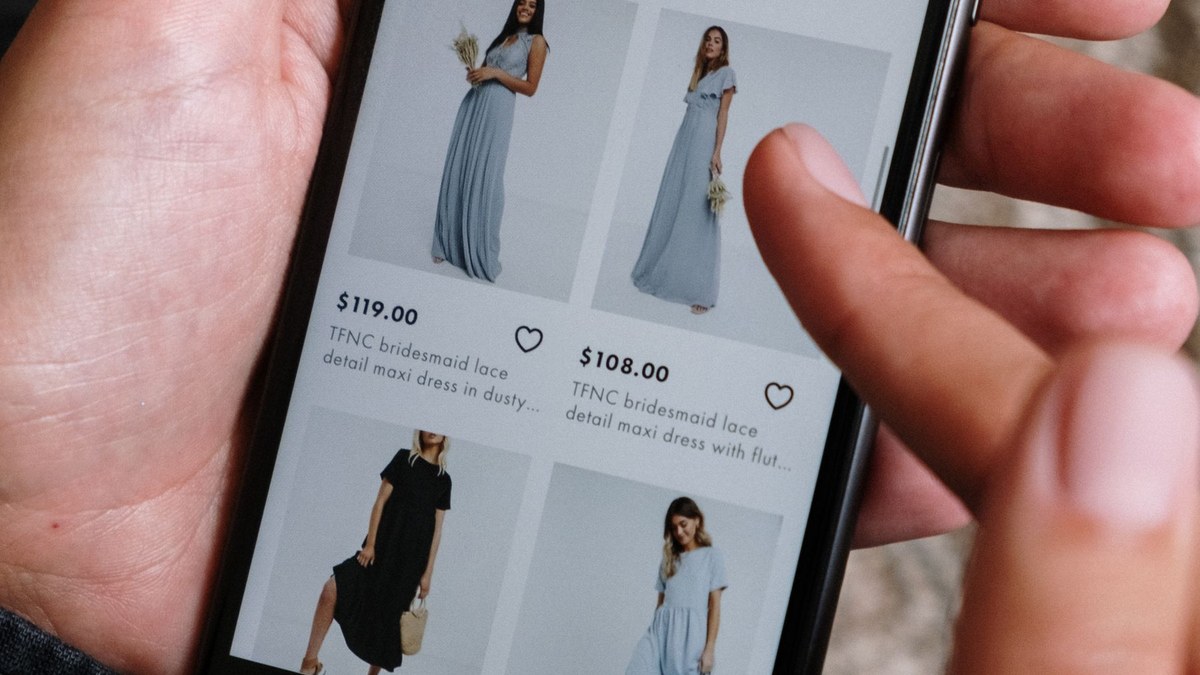
Start with the clean product image to identify the advertised shape, components, and color. Then examine front, side, back, and close-up views. Look for views that are missing. If a bag never appears open, storage may be difficult to judge. If a dress is shown only from the front, back coverage and closure placement remain uncertain.
Zoom into seams, hems, buttons, zippers, hardware, edges, and pattern alignment. For furniture or household goods, inspect joints, feet, connectors, and surface texture. Promotional images may use flattering lighting and careful arrangement, so regard them as documentation of intended appearance—not proof of how every unit will look.
Check scale instead of guessing it
Wide-angle lenses and tight crops can distort size. Find listed dimensions and recreate them with a tape measure in the intended space. For clothing, compare garment length to your body or a similar item. For a bag, measure a rectangle matching its height and width, then consider depth. For home goods, mark the footprint with painter’s tape or paper.
Props can help with scale only when their dimensions are known. A phone, book, or model varies in size. If the listing gives model height and worn size, that is useful context, but body proportions and styling still affect where the item appears to land.
Triangulate color
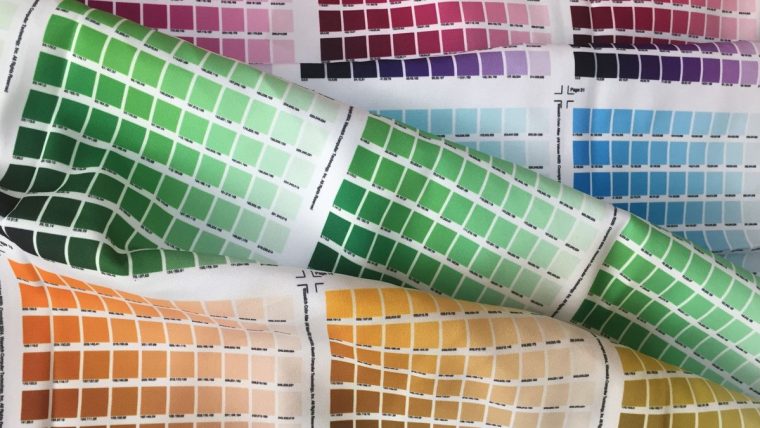
Color can shift because of studio lights, white balance, screen settings, and surrounding colors. Compare the main image, video, detail photos, and several customer images. Look for the range they create. If an item varies from rust to bright orange across images, accept that exact color is uncertain.
Written descriptions such as warm, cool, muted, ivory, or optical white can refine your interpretation. Reviews that mention color are strongest when multiple shoppers make the same comparison. Even then, dye lots and production runs may vary, so avoid treating one image as a color standard.
Use customer images for behavior and context
Customer images are especially helpful for judging drape, opacity, texture, reflectivity, capacity, and real-world scale. Clothing photos may show how fabric reacts while sitting or moving. A bag photo can reveal whether the opening is practical. A lamp or decor item may show surface finish under ordinary household lighting.
Do not confuse an uncontrolled image with an unbiased measurement. Shadows can exaggerate wrinkles, a dirty camera lens can soften detail, and filters can transform color. Packaging damage may not represent the product design, while expert styling may make a mediocre item look better. Build conclusions from repeated signals.
Extract facts from written reviews
Sort reviews mentally into observations and judgments. “The zipper caught at the same seam three times” is an observation. “Cheap” is a judgment until the writer explains what caused it. Look for specific evidence about dimensions, assembly, fabric hand, odor, noise, durability, washing, or fit.
Recency and variation matter. Confirm, when possible, that the review concerns the same size, color, model, or bundle you want. Sellers may update a listing, and variants grouped on one page can differ. A detailed old review can still be informative, but compare it with recent information and the current product description.
Notice review-selection traps
Do not read only the most positive or most critical reviews. Five-star comments can show what success looks like; middle ratings often explain tradeoffs; low ratings expose failure modes. Read a balanced sample and search within reviews for your main concern, such as “sheer,” “zipper,” “narrow,” “assembly,” or “color.”
Be alert to vague, repetitive language, reviews about shipping rather than the item, and ratings without evidence. Verified-purchase labels or platform controls may add context, but no single badge makes a review conclusive. Your aim is not to decide whether every reviewer is trustworthy; it is to identify claims corroborated across independent-looking accounts and images.
Build an evidence grid
Create four columns: claim, official evidence, customer evidence, and confidence. A claim might be “the fabric is opaque.” Official photos may show a dark color under studio lighting; customer images may show lining in bright light; reviews may mention coverage. Mark confidence high only when the sources align and conditions are relevant.
- High confidence: dimensions are stated, illustrated, and confirmed by several detailed reviews.
- Medium confidence: multiple customers agree, but objective documentation is limited.
- Low confidence: the conclusion relies on one photo, a vague adjective, or an unknown variant.
The grid also reveals missing information. When a high-priority feature has low confidence, contact the seller through an official channel if appropriate, choose a better-documented alternative, or decide that the uncertainty is acceptable at that price and use case.
Compare competing products consistently
Use the same criteria for every candidate: dimensions, materials, features, maintenance, review patterns, and total cost. Do not let one product win because it has prettier photography while another offers better documentation. Save screenshots or notes with dates because listings may change, but verify details again immediately before purchase.
For clothing, include fit-critical measurements and care. For electronics, focus on compatibility, ports, power requirements, and warranty information from authoritative sources. For home goods, include installed dimensions, weight limits where officially specified, assembly, and surface care. The evidence framework stays the same even though the criteria change.
Final comparison checklist
- Confirm the exact model, size, color, and quantity.
- Inspect every official view and note missing angles.
- Recreate listed dimensions in the real setting.
- Compare color and texture across several image types.
- Read a balanced, recent sample of specific reviews.
- Match customer evidence to the correct variant.
- List unresolved uncertainties and decide whether each is acceptable.
- Recheck current specifications and purchase terms at checkout.
Online shopping always contains some uncertainty. The goal is not to eliminate it with endless scrolling. It is to distinguish documented facts from visual impressions, find patterns across independent evidence, and spend extra attention on the features that would determine whether the product is useful.