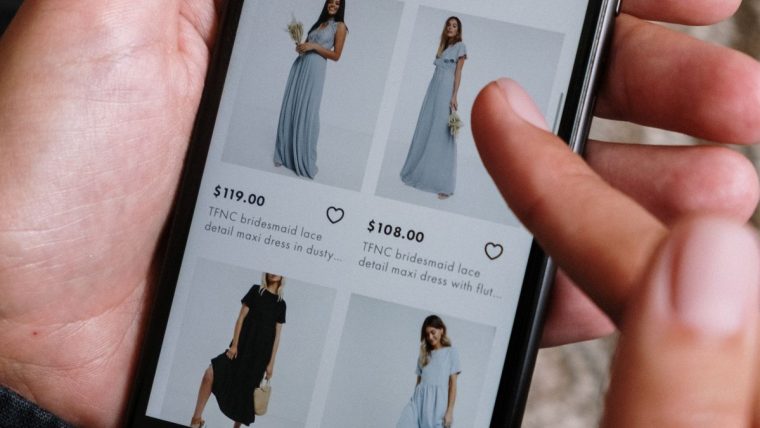

The final checkout screen creates urgency: a timer may be running, stock may look limited, and a discount may depend on acting now. That is exactly when a short verification routine helps. The following twelve checks focus on avoidable mistakes—wrong variants, misunderstood dimensions, hidden total costs, missed timing, and unsupported assumptions. Not every purchase needs deep research, but every order deserves a deliberate final pass.
1. Confirm the exact seller and website
Check the domain spelling, connection security, and seller identity. A padlock indicates an encrypted connection; it does not prove the merchant is trustworthy. On a marketplace, distinguish the platform from the third-party seller fulfilling the item. Review seller information, recent feedback, and contact details using the site’s official interface.
Be cautious when a link arrives through an unsolicited message or an ad with an implausible offer. Navigate through a known official page or independently verify the domain. Avoid sending payment through an off-platform channel requested by a stranger.
2. Match the product title, model, and specifications
Read the current description rather than relying on the search thumbnail. Confirm model number, generation, compatibility, included pieces, material, capacity, voltage, dimensions, and other specifications relevant to the product. A photo may show accessories that are not included.
When technical compatibility matters, compare identifiers with the manufacturer’s authoritative documentation. Keep exact letters, suffixes, and regional versions intact; a nearly matching model number may represent a different product.
3. Verify every selected variant
Check size, color, finish, quantity, bundle, subscription status, and personalization. Product pages sometimes retain a default selection or change price when a variant changes. Review each line in the cart, not just the product page you remember.
For personalized items, proofread names, dates, and formatting character by character. Confirm whether the preview represents the final layout and save a copy of submitted text if it is important.
4. Recheck dimensions and fit
Measure rather than visualizing. For clothes, compare current body measurements and a similar garment with the item-specific chart. For furniture, appliances, and storage, mark the footprint and confirm doorways, stairs, elevators, ventilation clearance, and connection space.
Pay attention to the measurement definition. Width may mean a flat measurement, overall external width, or usable internal space. If a critical dimension is absent or ambiguous, seek clarification through an official channel or choose a better-documented option.
5. Read materials and care requirements
Review full material or fiber content, lining, finish, and major components. Marketing terms such as “silky,” “leather-look,” or “natural-inspired” may describe appearance rather than composition. For allergies or safety-sensitive uses, rely on explicit, authoritative product information.
Check laundering, cleaning, maintenance, replacement-filter, or charging needs. A low purchase price can become poor value if upkeep is incompatible with your time, equipment, or budget.
6. Compare evidence, not just star averages
Read a mix of recent positive, middle, and critical reviews. Favor specific observations over unexplained ratings. Search for your likely failure point: fit, noise, color, battery, assembly, odor, zipper, or durability. Confirm that each useful review refers to the same variant when possible.
Compare official images with multiple customer photos. Look for recurring signals, but remember that lighting, cameras, expectations, and production variation can create disagreement. A star average summarizes opinions; it does not answer your particular question.
7. Calculate the complete cost
Look beyond the item price. Include shipping, taxes, duties, service fees, required accessories, assembly, maintenance, and any recurring charge displayed in the order. Apply discounts and credits, then inspect the final total rather than calculating from the banner price.
Compare value on an equivalent basis: per unit, per ounce, per use, or for the same configuration. A larger package is not automatically cheaper per unit, and a bundle is not a saving when it includes things you will not use.
8. Check delivery timing and method
Review the delivery estimate for your exact address and selected shipping method. An estimate is not always a guarantee. If the purchase is needed for travel, an event, or a gift, leave a buffer and consider what happens if a delay occurs.
Confirm signature requirements, pickup windows, carrier restrictions, oversized-item arrangements, and whether separate items may ship separately. Use a secure delivery location and avoid exposing more personal information than necessary.
9. Read the current return and refund terms
Check the policy that applies to the seller, product category, location, and order. Note the return window, starting date, item-condition requirements, exclusions, method, and any disclosed shipping or restocking costs. Personalized, hygiene-sensitive, clearance, digital, and final-sale items may have different terms.
Do not infer policy from an old review, social post, or another retailer. Terms can change. Save the relevant order confirmation and consult the official current wording before purchase if return flexibility is important.
10. Review warranty and support
For higher-cost or technical goods, identify who provides support: manufacturer, retailer, marketplace seller, or a separate protection-plan company. Read the duration, coverage, exclusions, claim process, and geographic limits in the official terms. A return policy and a warranty solve different problems.
Confirm that replacement parts, consumables, compatible apps, or service are available where you live. Do not assume an optional protection plan duplicates or extends every existing right or warranty.
11. Protect payment and account information
Use a payment method with protections appropriate to your location and transaction. Avoid entering card data on a page reached through a suspicious link. Check that the checkout domain is expected, and do not reuse a password across sites. Enable multifactor authentication when the retailer offers it.
Review any box that saves payment details, joins a membership, starts a trial, or authorizes recurring billing. Use trusted networks for checkout, keep devices updated, and never send verification codes to someone claiming to assist with an order.
12. Perform a final cart audit
Read the cart from top to bottom. Confirm item count, variants, seller, shipping address, billing details, delivery method, discounts, gift options, recurring terms, and final total. Remove accidental duplicates and items added only to reach an arbitrary spending threshold unless they are genuinely useful.
Ask one final question: “Would I still buy this without the countdown or crossed-out price?” If not, save the cart and wait. Genuine need and evidence usually survive a pause; impulse pressure often does not.
A compact version to save
- Seller and domain
- Exact model and specifications
- Selected variant and quantity
- Dimensions and fit
- Materials and care
- Reviews and customer images
- Complete cost
- Delivery details
- Return and refund terms
- Warranty and support
- Payment and account security
- Final cart audit
This checklist is not a promise that every transaction will go perfectly. It is a way to catch mismatches while you still control the decision. For expensive, safety-critical, or time-sensitive purchases, slow down further and verify claims with authoritative sources before placing the order.