SHEIN has offered an official Free Trial Center through its own digital services, but scammers can misuse the program’s name, logos, or product images. The right safety question is therefore not only “Does a program exist?” but also “Is this specific page, message, person, and request genuinely connected to the official service?”
Program availability and rules may vary by account, location, and time. Verify the current feature inside the official SHEIN app or by navigating to the official website yourself. Never treat a social post, search advertisement, direct message, or copied screenshot as final proof.
What legitimate access should look like
A genuine application should be connected to your official SHEIN account and reflected in the official trial or account interface. Product information, application status, selection updates, and review instructions should be available through that controlled environment. If an email says you were selected but your signed-in account shows nothing, investigate before acting.
Use an app obtained from your device’s recognized app store and verify the developer information. On the web, inspect the full address rather than trusting the page design. Scammers can duplicate colors and logos; they cannot make an unrelated domain become SHEIN’s official domain.
Red flag: guaranteed selection
No outsider can responsibly promise that an application will win. Claims such as “100% selected,” “employee approval,” “VIP trial upgrade,” or “pay to move to the top” should be treated as suspicious. Trial inventory can be limited, and applying does not itself create an entitlement to a product.
A scammer may ask for a small initial payment to appear low risk, then demand additional processing, insurance, release, or verification charges. Do not continue simply because you have already paid once. Stop, preserve records, and contact the relevant payment provider if you believe you were deceived.
Red flag: credentials or verification codes
A password, email security code, authenticator code, or text-message code can allow someone to take over an account. Do not provide these to a “trial coordinator,” customer-service account in a messaging app, friend, or screen-sharing stranger. Official support should not need you to reveal a password.
Also reject requests to change the account email to an address controlled by someone else. If you already shared access, change passwords through official pages, secure the connected email account, review sessions and profile changes, and contact official support.
Red flag: payment or refund detours
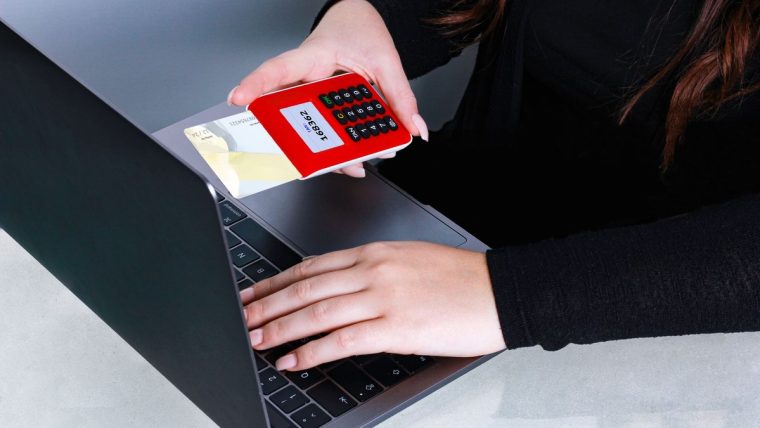
Be skeptical when someone directs you to purchase gift cards, send cryptocurrency, use a person-to-person transfer, pay an individual account, or provide card details in chat. Do not assume that every cost scenario is identical across regions; instead, compare any claimed charge with the exact current terms in the official trial listing. When something is unclear, ask SHEIN through its official support channel before paying.
A common variation asks the victim to buy a product first from an unofficial link and promises reimbursement after a positive review. That arrangement should not be confused with an official in-account trial unless the live official program terms explicitly describe it. Never rely on a stranger’s private promise.
Red flag: links and downloads
Shortened URLs, misspelled domains, extra words around a brand name, and unexpected file downloads are warning signs. A fake page may collect login credentials or card data and then display a generic success message. Navigate independently instead of using the link.
Do not install browser extensions, configuration profiles, remote-access apps, or “auto-apply” software to participate. Such tools can monitor browsing, steal sessions, alter transactions, or violate platform rules. Official trial access should not require giving a stranger control of your device.
Red flag: pressure and secrecy
Scammers manufacture urgency: a slot expires in ten minutes, a fee must be paid immediately, or you must not contact normal support because the offer is “private.” Legitimate time limits can exist, but they should be visible and verifiable in the official interface. Pressure is a reason to slow down, not speed up.
Requests to recruit friends, move the conversation to an encrypted chat, or keep the arrangement secret also deserve scrutiny. Screenshots of alleged payouts or selections are easy to fabricate and do not prove that your offer is genuine.
A safe verification routine
- Do not click the message link.
- Open the official SHEIN app or enter the known official address manually.
- Sign in and check the Free Trial Center or account status.
- Compare the exact item, date, and instructions.
- Search official help content or contact official support from within the app or site.
- Do not share credentials, security codes, or payment details while verifying.
If you may have encountered a scam
Stop communicating and do not send more money. Save the sender details, URLs, receipts, and messages without reopening suspicious files. Change compromised passwords from a trusted device, starting with the connected email account, and use unique credentials. Review financial transactions and contact the bank, card issuer, or payment service promptly about unauthorized or deceptive activity.
Report impersonation through SHEIN’s official support options and report the account or advertisement to the platform where it appeared. Depending on your location and the nature of the loss, a consumer-protection or cybercrime reporting service may also be appropriate. Do not pay a “recovery agent” who promises to retrieve funds for another upfront fee.
Keep legitimacy claims precise
An official program can be real while a particular invitation is fake. Conversely, not seeing the feature does not by itself prove fraud; access may vary. Base your conclusion on the official account interface, verified domain, current terms, and official support—not on branding, urgency, or a stranger’s confidence.